Car Hire in South Africa: Documents and Road Safety
Choose a hire car for South Africa, check the licence and payment terms, understand damage liability and plan left-hand driving and safe arrivals.
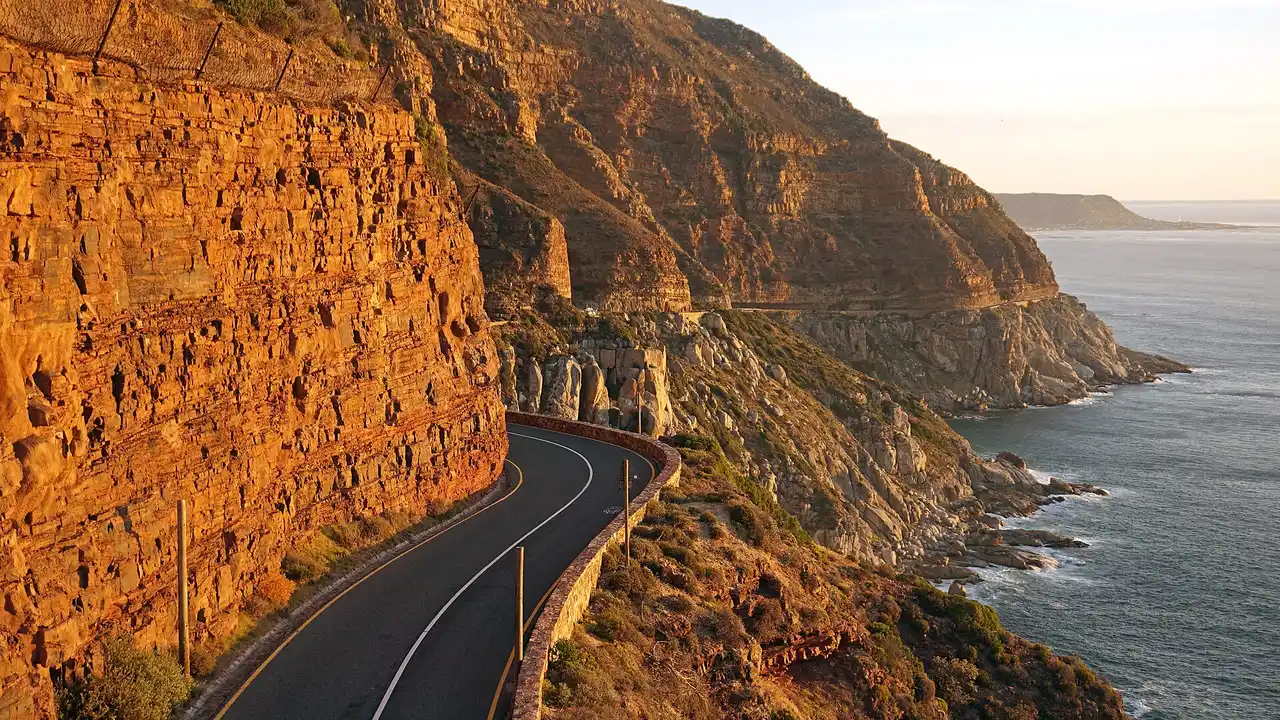
South Africa drives on the left, and a hire car is what turns the Garden Route or a self-drive Kruger safari into a trip on your own timetable. Before you compare daily rates, check four things the headline price doesn’t show: whose name is on the credit card, whether your licence needs an international permit, what the damage waiver still leaves you paying, and which road you’ll take out of the airport.
A car can be useful for the Garden Route while adding work to a stay centred on Cape Town. Consider collecting it when the road section begins. You’ll have fewer collection, navigation and parking decisions to make straight after a long international journey. For the legs you won’t drive, the transport guide covers domestic flights and airport pickups.
The driver, the licence and the card
Start with the person who will collect the car, drive it and present the payment card. Match that name across the reservation and the documents, then read the collection requirements attached to the offer. If a companion is handling payment, check the arrangement before booking instead of assuming the counter can adjust it.
Avis South Africa’s collection guidance, checked on 16 November 2026, asks the main driver for a credit card or hybrid cheque card in their own name and a licence held for at least a year, and asks international visitors for a valid passport. Renters must be 18 or over, drivers under 25 pay a young-driver surcharge, and several of its larger car groups need two payment cards, one of them a credit card. That’s an example of one supplier’s policy, not a promise about every provider. Its help pages disagree on debit cards: one answer says they are not accepted, another says some are, so if you don’t carry a credit card, get the branch’s answer in writing before you pay.
Bring the original licence. DIRCO’s embassy guidance calls for a full licence from your country of residence, with an International Driving Permit alongside a licence in another language. For UK drivers, the FCDO says a photocard licence is valid for up to 12 months, while the old paper licence needs the 1968 international driving permit, and it cautions that rental firms often ask for more than the licence rules do, such as a higher minimum age or a year behind the wheel. Both sources were checked on 16 November 2026; arrange any permit before you leave home and check the supplier’s own age and licence rules before you book, not at the counter.
Ask about every intended driver at the same time. Avis’s rental guide says only the main driver is covered under the agreement unless an additional driver is added at extra cost, and every driver shows a licence at collection; its weekend rentals carry tighter limits on who can be added. Put each person who will take a turn behind the wheel through the supplier’s approval process. It’s a paperwork decision worth making before tiredness on a driving day changes your plans.
Deposit, waivers and the small print
Read a quotation as a set of conditions: the car group, transmission, mileage allowance, collection and return branches, selected waivers, payment arrangement and the charges attached to changes. Save the version you actually book. A search-results price is an invitation to look closer, while the reservation sets out what you’re buying.
Pay particular attention to the difference between a charge and a card authorisation. Ask the provider what amount will be charged, what amount will be held and when it expects the hold to be released. As an example, Avis’s rental guide, read on 16 November 2026, puts the average authorisation hold at R3,500 on top of the rental cost, varying with the rental. Leave enough available capacity for the other spending on your trip. A prepaid booking still needs to satisfy the collection terms.
For damage, ask what you would owe and in which circumstances. The same Avis guide says its standard waiver leaves you liable for 10% of the average value of the car group and its super waiver for 2%, and it describes windscreen and tyre damage cover as a separate waiver. Use that distinction to ask specific questions about glass, tyres, underbody damage, the roof and towing in the offer you’re considering.
If you buy additional protection from a separate company, read how a claim works alongside the rental agreement. Establish whether the supplier can charge you first and what evidence the protection provider would need. Keep this question separate from travel insurance and evacuation: a damaged car and an injured traveller create different expenses and different claims.
Gravel roads, borders and the gearbox
Send the accommodation the route you intend to use and ask about the approach road. This matters particularly for rural stays and a self-drive safari. A map line doesn’t tell you the condition of a gravel stretch, and the distance from the main road can hide the most demanding part of the drive.
Choose ground clearance and vehicle type around that answer, then check that the rental agreement allows the surface and route. An SUV doesn’t come with permission to drive any surface: the agreement decides that. If the property recommends specialist access or a transfer, discuss that before deciding what to hire.
A proposed detour across a border works the same way. Ask the supplier about the particular country, vehicle and return plan, and obtain whatever authority its agreement requires before travelling. Keep your South African itinerary within South Africa unless you’ve deliberately arranged the extra paperwork and insurance questions that crossing creates.
Then the gearbox. If you’re adapting to left-hand traffic, an automatic may remove an unfamiliar task. Check the confirmed car group instead of relying on the photograph of an example model. Think about luggage storage while comparing sizes: you’ll want bags contained out of sight during travel stops.
At the counter
Compare the agreement with the reservation before accepting extras or changing the car group. Ask staff to explain anything that changes the price, liability, return arrangement or permitted use.
Walk around the vehicle with the damage record. Photograph existing marks, the wheels, glass and cabin condition, and ask for discrepancies to be recorded. Save the pictures where you’ll be able to retrieve them after the trip.
Then get familiar with the car while it is stationary. Adjust the seat and mirrors, locate lights and wipers, set up navigation and confirm the fuel type. South African Tourism advises checking whether a vehicle takes petrol or diesel before filling up. At the pump, it says, a petrol attendant will fill the car and a tip of around R5 is customary, and most stations accept major credit cards (page read on 16 November 2026). In cities and towns, a parking attendant in a luminous bib may offer to watch your car for a tip. Ask how to contact roadside assistance and save that number separately from the booking confirmation.
Check the return instructions before driving away. You need the branch entrance, the agreed time and the procedure if staff are absent or the flight changes. The departure morning is easier when those are already settled.
Driving on the left
South Africa’s left-hand traffic needs deliberate attention if you normally drive on the right. Keep your initial drive straightforward, and make sure the passenger understands that navigation help is useful while distractions are not. Stop somewhere appropriate before changing the route or sorting out the phone.
The Department of Tourism describes traffic lights as ‘robots’. Its road-safety advice says to treat a failed traffic light as a stop-controlled junction, taking turns in arrival order. Seat belts are compulsory, according to South African Tourism, which gives the general limits as 60 km/h in urban areas, 100 km/h on secondary roads and 120 km/h on national highways (read on 16 November 2026); signs override them. It adds that many national roads are tolled, with toll gates accepting cards and cash.
Watch the road surface as well as traffic. The department highlights potholes, pedestrians and livestock as hazards. Give yourself space and time to respond, particularly on a road you haven’t driven before. Build rest and fuel stops into the journey instead of treating a navigation estimate as a driving target.
Drink-driving is the rule that catches wine-country visitors. The legal limit for ordinary drivers is 0.05 g of alcohol per 100 ml of blood, according to SAnews, the government news service, in January 2026, and the government is pursuing a zero limit; the Cape Winelands guide has the detail as of 16 November 2026. On a tasting day, the driver doesn’t drink.
This is a summary of the published licence and road rules as of 16 November 2026, not legal advice. Recheck the current guidance and road conditions when you plan the journey, and follow the posted signs on the day.
Airport roads and parking
Cape Town International is where this matters most: the FCDO (checked on 16 November 2026) reports targeted attacks on visitors in hire cars on the airport roads, so take the M3 or the N2 into town, not the R300, and don’t return a car there after dark; more on the airport options is in the Cape Town guide. Elsewhere, aim to reach an unfamiliar destination in daylight: the FCDO warns that navigation apps can route drivers through less secure areas. That’s the case for collecting the car in the city on the morning the road trip starts.
Keep luggage and valuables out of view and make parking part of the day’s plan. Sort out bags somewhere discreet, not on the pavement at the next attraction. Share the day’s destination with a companion or host and keep the assistance details available if the journey is disrupted.
Inside a national park, adapt the day to its rules. SANParks requires vehicles to remain on designated roads and says gate and camp times must be respected. Kruger’s limits are 50 km/h on tar and 40 km/h on gravel, and the gate times move with the months; the safari guide has the SANParks table. In Kruger, visitors must stay in their vehicle except in designated areas. Read the permit and current park notices, and leave space in the day for wildlife and unexpected delays instead of chasing the gate deadline.
Returning the car
Avis describes supplying its cars with a full fuel tank in its rental guide, checked on 16 November 2026; read the return requirement for your own booking. Refuel as agreed, retain the receipt and photograph the dashboard and vehicle condition at the branch. Ask how the final inspection and invoice will reach you.
Keep the agreement, damage record, return acknowledgement and relevant receipts together until the rental is closed. If a charge needs explaining, you’ll have the record in front of you.
Photos
Read also

What to see · 6 min read
Boulders Beach Penguins: Boardwalk, Beach and Tickets
Updated · 17 November 2026Boulders penguins: R282 adult fee for overseas visitors, card-only gate, hours, 40 km from Cape Town, the Foxy Beach boardwalk and the steep beach ramp.

Towns · 8 min read
Cape Town Travel Guide: Areas, Mountain, Beaches, Safety
Updated · 17 November 2026Cape Town for first-timers: where to base yourself, the Table Mountain cableway at R475, Bo-Kaap, the Waterfront, beaches, day trips and safety notes.

Regions · 8 min read
Cape Winelands: Stellenbosch, Franschhoek, Paarl and the Law
Updated · 17 November 2026Cape Winelands from Cape Town: Stellenbosch, Franschhoek and Paarl compared, the R370 Wine Tram, tasting fees and drink-driving rules.

What to see · 6 min read
Robben Island: Ferry Tickets, the Tour and Cancellations
Updated · 17 November 2026Robben Island from Cape Town: R600 adult fare for overseas visitors, ferries from 09:00, the walking tour, access questions and weather cancellations.