Robben Island: Ferry Tickets, the Tour and Cancellations
Robben Island from Cape Town: R600 adult fare for overseas visitors, ferries from 09:00, the walking tour, access questions and weather cancellations.
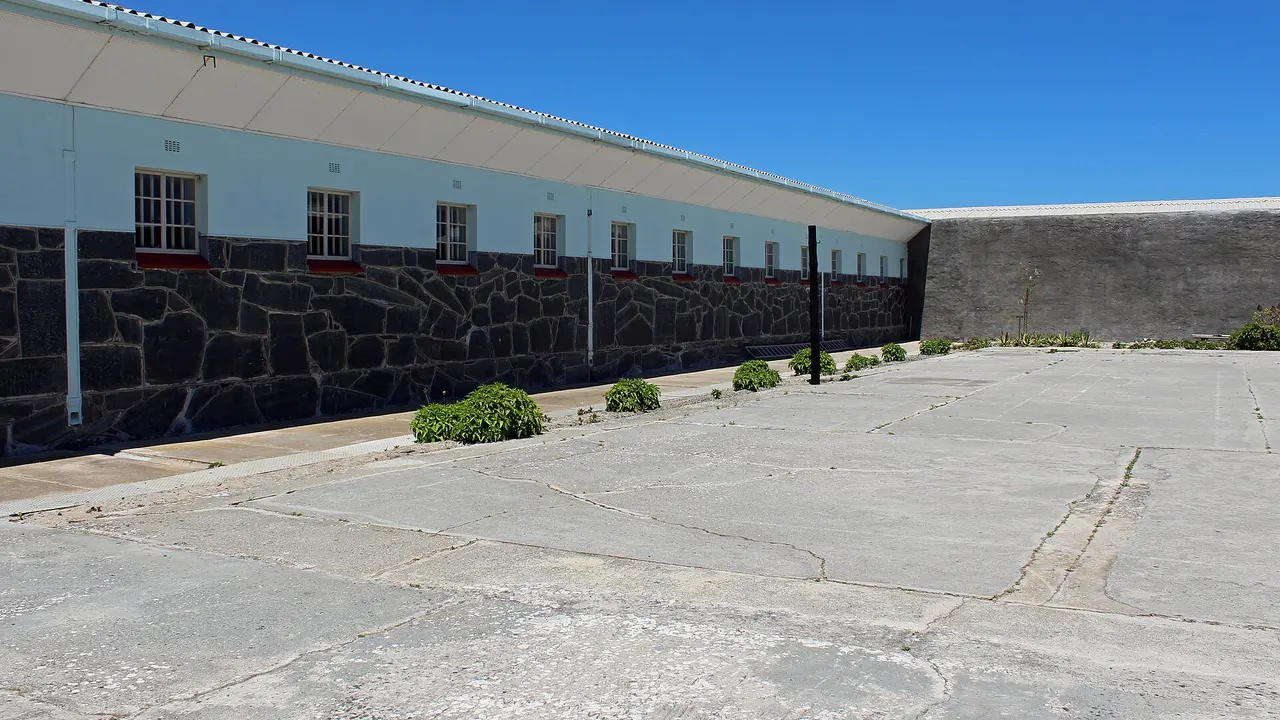
A Robben Island visit is a guided museum tour with a ferry each way from the V&A Waterfront. On 16 November 2026 the museum’s general tour cost R600 for a non-South-African adult and R310 for a child under 18, and it takes about 3.5 hours including the return crossing; the museum allows up to about 4 hours depending on the boat, so don’t book anything tight for straight after.
The island is a UNESCO World Heritage Site, and most people book it for one room, Nelson Mandela’s cell. The general tour saves that cell for the very end, after a bus circuit of the island and a walk through the prison, so by the time you reach it you’ve seen what surrounded it.
The general tour and the walking tour
The general tour combines the ferry crossing, a bus around the island’s historical sites and a guided prison visit. On 16 November 2026 the museum listed departures at 09:00, 11:00, 13:00 and 15:00 every day in its peak season, 1 September to 30 April, and at 09:00, 11:00 and 13:00 from 1 May to 30 August, all weather and demand permitting. The fare is the same at every departure. Read the description of the tour you’re reserving, since a product title that includes ‘Robben Island’ can also be part of a larger excursion.
The walking tour is a different day. The museum lists it on Fridays, Saturdays and Sundays at 09:00, lasting 5 hours with two 30-minute ferry rides, and the tour page describes a 5-kilometre guided route for visitors who are physically fit and can walk long distances. The packing list for it is comfortable walking shoes, a hat, sunglasses and sun protection cream. If walking through the landscape is your reason for going, choose the walking tour; for an introduction, or if your legs are tired from a week of sightseeing, the bus tour is the sensible choice.
From your Cape Town base you’ll need a way to the Waterfront (the transport guide covers rides and transfers) and enough time to clear boarding before the gates close. Bad weather can cancel the boat as well as the Table Mountain cableway, so don’t give both the same spare day.
Booking through the museum
Book from the Robben Island Museum’s own website, whose booking link leads to the museum’s ticketing service; that’s where the actual tour types and passenger categories are. Read the selected departure, tour type and conditions before completing the reservation. Tickets are subject to availability, so the museum recommends booking early. Rescheduling is possible if you ask 48 hours ahead, the museum says, though it carries an administration fee.
The page lists lower fares for South Africans, R400 per adult and R210 per child, so a visitor from abroad pays half as much again; book the non-South-African category. Children under 18 pay R310 in that category, and the museum says infants need a ticket too, issued free at the Nelson Mandela Gateway against a birth certificate.
Some excursion sellers bundle Robben Island with a hotel pickup. Check that the museum ticket itself is in the bundle: at R600 per overseas adult, it’s the fixed part of the price, so whatever the package charges above that pays for the transport and any extras. Ask the seller, too, what happens to the transfer if the museum cancels the sailing.
The Nelson Mandela Gateway
The departure point is the Nelson Mandela Gateway, within the V&A Waterfront. Use that destination when arranging transport, then allow time to reach the correct entrance and complete boarding formalities. ‘The Waterfront’ is a broad meeting description; the named departure point is much more useful to a driver or travelling companion.
The museum’s visitor guidance, checked on 16 November 2026, asks visitors to arrive at least 30 minutes before departure, and the gates close 10 minutes before the boat leaves. That’s 30 minutes at the Gateway itself, not on arrival somewhere in the Waterfront. Bring the ticket (printed or digital, both are accepted) and the identification the museum asks for.
The museum runs three ferries itself, according to its about page, and each crossing takes 30 to 60 minutes depending on which one is sailing. You land at Murray’s Bay Harbour on the island’s east coast. Bring a windproof layer for the crossing even on a mild morning, and see a pharmacist beforehand if you get seasick.
More than one cell
The museum’s published general-tour route includes the graveyard of people who died from leprosy, the Lime Quarry, Robert Sobukwe’s house, the bluestone quarry, army and navy bunkers and the Maximum Security Prison, finishing with a view of Nelson Mandela’s cell. You meet your guide once you’re on the buses. Don’t count on a former political prisoner guiding your group: the museum’s tour page says the prison tour is conducted by a Robben Island Tour Guide, part of what it calls its integrated tour model.
Robben Island’s use for incarceration reaches beyond apartheid. The museum’s prison-period overview describes criminal and political imprisonment during colonial rule as well as the apartheid era. UNESCO’s account adds a hospital and a military base to the island’s uses, and the leprosy graveyard on the bus route belongs to that layer. That’s the question to put to your guide on the bus: why one island ended up holding all three.
A visit is one way into the museum’s wider work: its about page lists the Maximum and Medium Security prison complexes, Robert Sobukwe’s house and the Mayibuye Archives among the assets it manages, alongside its heritage programmes and archiving. If a particular story stays with you, note the name or place and return to the museum’s historical material afterwards, when you can read without following a group.
Access, language and children
The museum asks visitors with a disability or a chronic illness to tell it before booking (checked on 16 November 2026). The visit involves the Gateway, the ferry, a bus around the island and the prison buildings, so describe the help you need at each stage (the advice for the standard tour is simply comfortable shoes and clothing) and keep the museum’s reply with your booking. Language is a different matter: the museum’s FAQ says tours aren’t offered in several languages and that you may bring your own interpreter, while multi-language audio headsets are still under consideration.
For children, talk about where they’re going before the boat leaves; a 3.5-hour guided memorial visit is a lot to follow cold, and the questions often come afterwards.
Cancellations and the return crossing
Departures run subject to weather and demand, the museum says, so book the visit early in your stay and keep a later day free to rebook. If the museum cancels, it says you’ll be refunded on return of the ticket and proof of identification (checked on 16 November 2026), so keep both until you’ve sailed.
Leave the afternoon after the return crossing unbooked: the ferry docks back at the Waterfront, which has places to eat, and the boat may come back later than planned. Before you pay, match the tour type, departure time and passenger category in the booking against the museum’s tour page.
Photos
Read also

What to see · 6 min read
Boulders Beach Penguins: Boardwalk, Beach and Tickets
Updated · 17 November 2026Boulders penguins: R282 adult fee for overseas visitors, card-only gate, hours, 40 km from Cape Town, the Foxy Beach boardwalk and the steep beach ramp.

What to see · 8 min read
Table Mountain Cableway: R475 Ticket, Hours, Wind and Hikes
Updated · 17 November 2026Table Mountain cableway: R475 adult return online, last car up 20:00 in Dec-Jan, what wind closures mean for your ticket, and walking up instead.

Towns · 8 min read
Cape Town Travel Guide: Areas, Mountain, Beaches, Safety
Updated · 17 November 2026Cape Town for first-timers: where to base yourself, the Table Mountain cableway at R475, Bo-Kaap, the Waterfront, beaches, day trips and safety notes.

Regions · 8 min read
Cape Winelands: Stellenbosch, Franschhoek, Paarl and the Law
Updated · 17 November 2026Cape Winelands from Cape Town: Stellenbosch, Franschhoek and Paarl compared, the R370 Wine Tram, tasting fees and drink-driving rules.